








Nutritional recommendations for physical activities during the lockdown
Basic nutrition
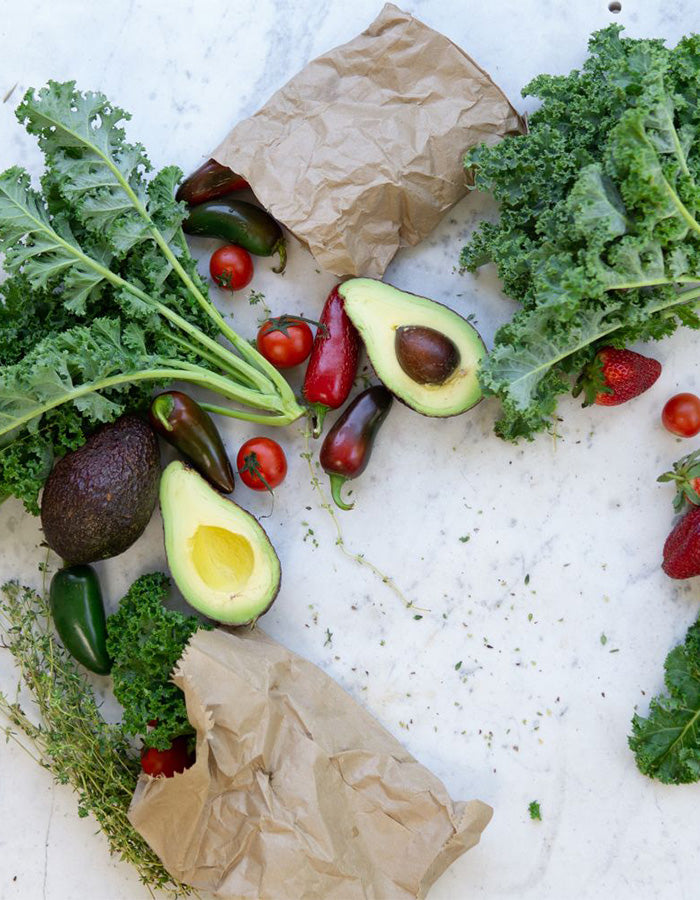
In general, as always, a varied and balanced diet, based on a lot of vegetables, unprocessed foods and with sufficient
high-quality protein sources, is the best guideline.
Nutrition before physical activity
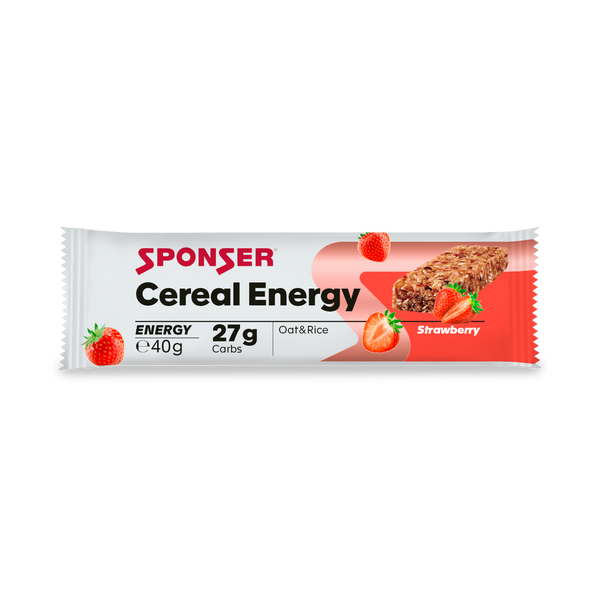
The right choice depends on the upcoming activity and the intended goal of the training. If a longer session is planned, energy should be taken in the form of carbohydrates, for example a banana or a tasty oat bar such as
OAT PACK. For shorter, more strength-focussed sessions, carbohydrates can be avoided and pure
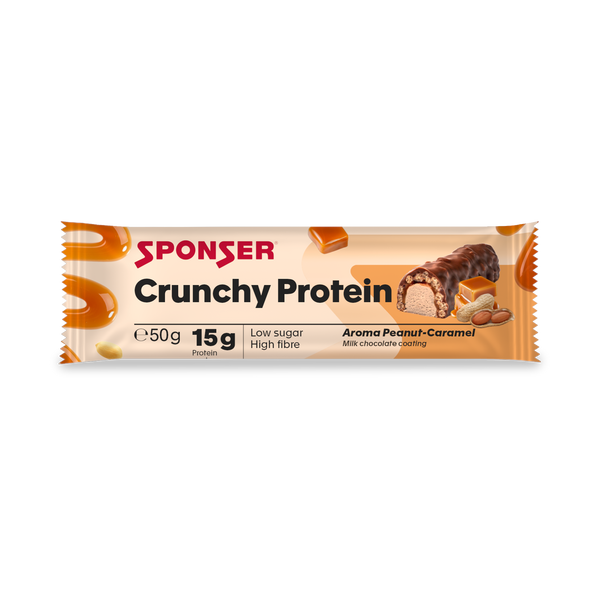
protein bars may be used. Make sure that easily digestible energy sources are consumed during intensive activities.
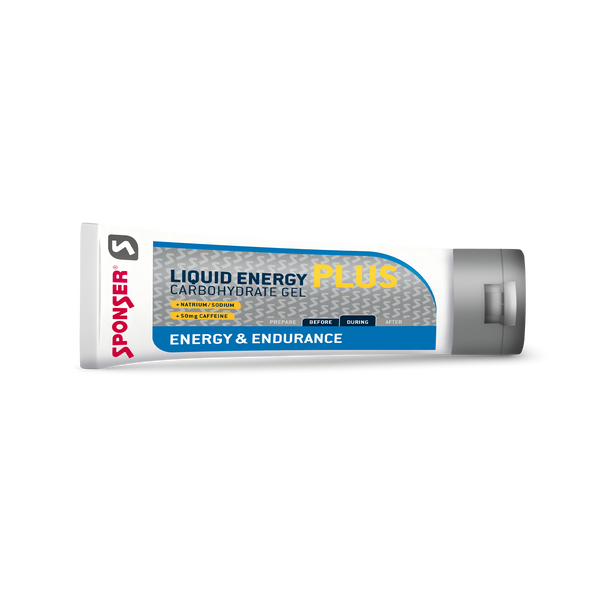
LIQUID ENERGY GELS and
HIGH ENERGY BARS are ideal for this purpose. Also important: Make sure you maintain a balanced fluid balance and drink enough water.
Nutrition during physical activity
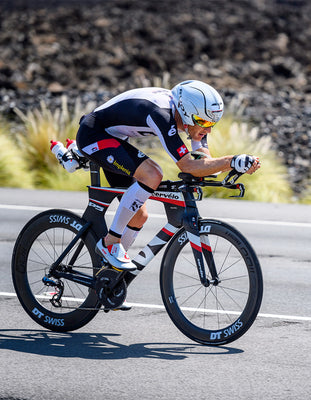
For activities lasting less than one hour, usually nothing is taken, or at most a few sips of water or a sports drink. Beyond an hour of activity, however, a regular supply of energy and fluids is essential. This can be fulfilled with a banana, dried fruits or a tasty
energy bar, combined with
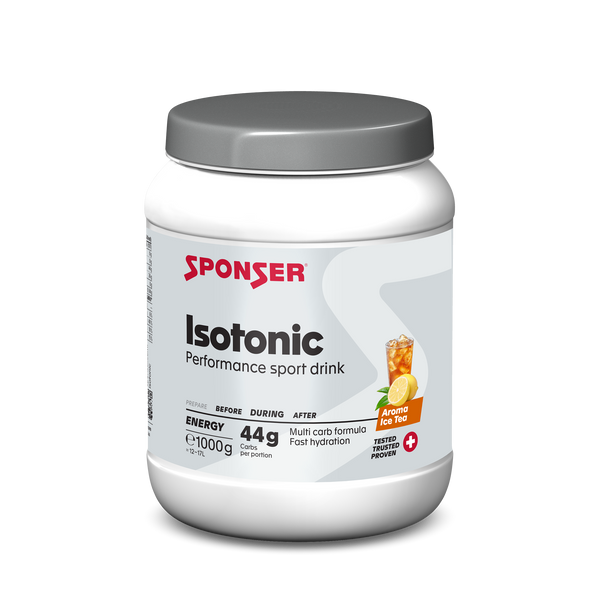
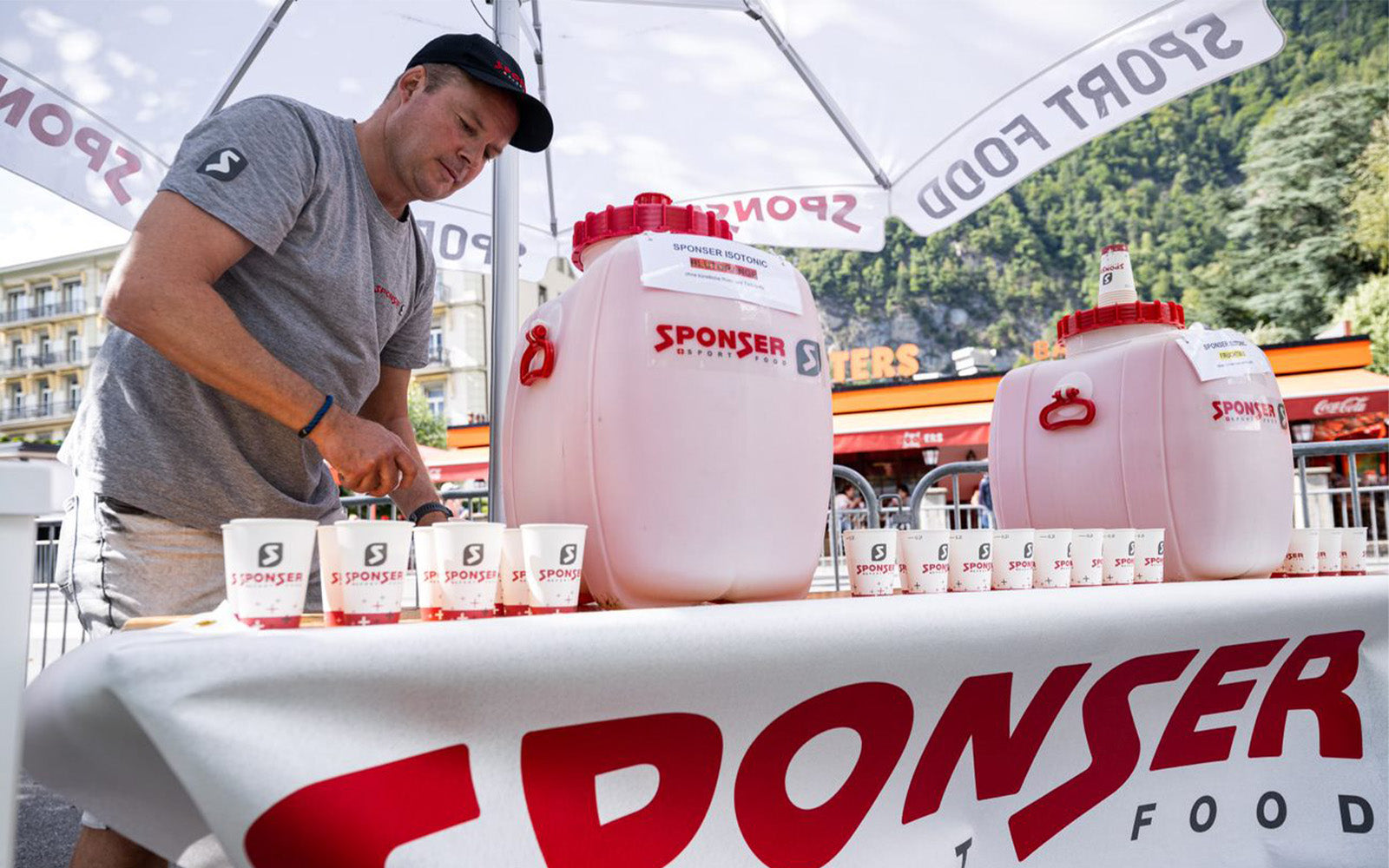
sports drinks, which, in addition to easily digestible carbohydrates, also provide electrolytes that are lost through sweating. In many training situations, the energy-free
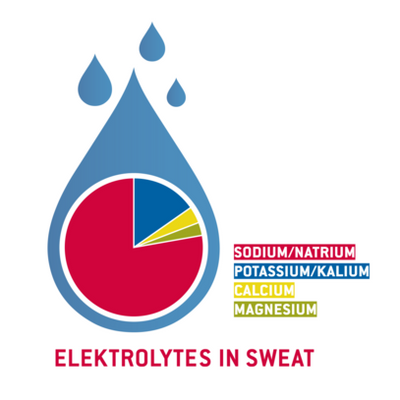
ELECTROLYTES tabs also make sense: dissolved in a water bottle (500-750 ml), they supply the body with important electrolytes, but have practically no energy and carbohydrates (9 kcal per tablet).
Nutrition after physical activity
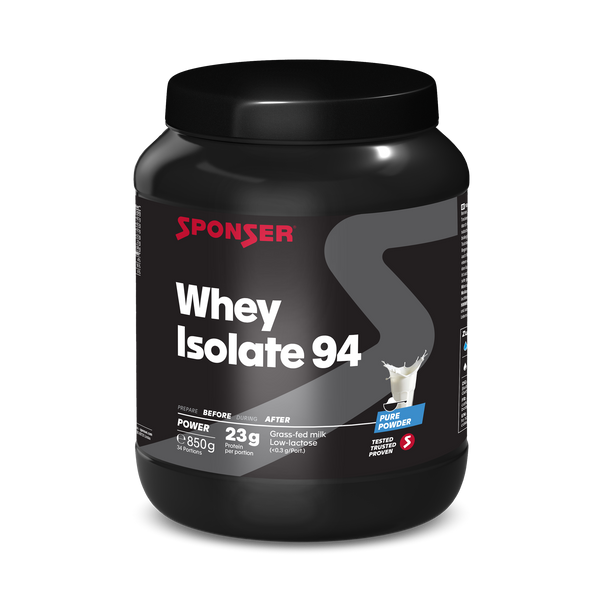
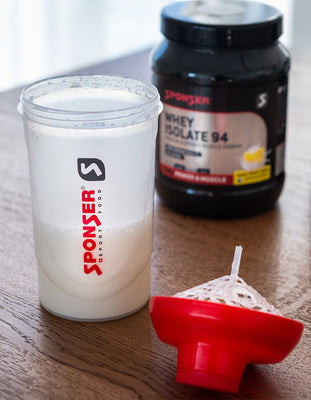
After sporting activities it is important to compensate for sweat losses with sufficient fluid intake. Carbohydrates should also be supplied to the body within the first hour after the activity, as they are necessary to replenish the muscles' fuel stores. Since protein supports regeneration and helps to build and maintain muscle mass, it is recommended to take protein either with a normal meal (at least 25 g) or in combination with a
protein supplement.
Related articles
on
» protein
on
» health
on
» weight loss
Author: Yvonne Forster
dipl. eng. food sciences UAS
dipl. dietitian HS