








Position stand regarding caffeine intake by the International Society of Sports Nutrition
Following critical evaluation of the available literature to date, the International Society of Sports Nutrition ISSN has updated its position stand regarding caffeine intake in January 2021. The outcome in extracted form:
• Caffeine intake has been shown to enhance various aspects of exercise performance: muscular endurance, movement velocity and muscular strength, sprinting, jumping, and throwing performance, as well as a wide range of aerobic and anaerobic sport-specific actions.
• Aerobic endurance appears to be the form of exercise with the most consistent benefits from caffeine use, although the magnitude of its effects differs between individuals.
• Caffeine has also been shown to be ergogenic for cognitive function, including attention and vigilance, in most individuals.
• Furthermore, caffeine may improve cognitive and physical performance in some individuals under conditions of sleep deprivation.
• Inter-individual differences in performance benefits as well as adverse effects on sleep or feelings of anxiety following caffeine ingestion may be linked with genetic variation associated with caffeine metabolism. Other factors such as habitual caffeine intake also may play a role in individual response.
• Caffeine appears to improve physical performance in both trained and untrained individuals.
• Caffeine has consistently been shown to improve exercise performance when consumed in doses of 3–6 mg/kg body mass. Minimal effective doses of caffeine currently remain unclear, but they may be as low as 2 mg/kg body mass. Very high doses of caffeine (≥ 9 mg/kg) are associated with a high incidence of side-effects and with no additional ergogenic effect.
• The most commonly used timing of caffeine supplementation is 60 min pre-exercise. Optimal timing of caffeine ingestion depends also on the source of caffeine (free vs. bound-form caffeine, coffee, capsules, gels, etc.).
SPONSER caffeine products
» CAFFEINE CAPS
» ACTIVATOR
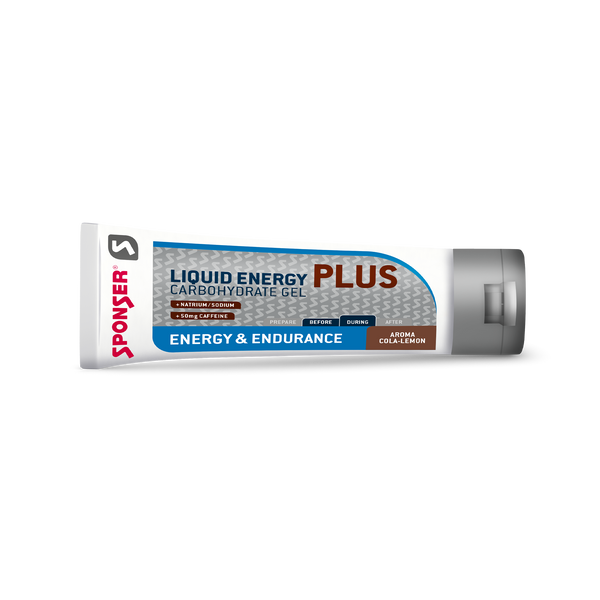
» LIQUID ENERGY PLUS GEL
» POWER GUMS
» COFFEEGEN STARTER KIT
Related articles
on
» caffeine
shop
» energy & endurance
on
» performance optimisation
Literature
Guest, Nanci S, et al. (2021): International society of sports nutrition position stand: caffeine and exercise performance. J Int Soc Sports Nutr 18, 1 (2021).
Author: Remo Jutzeler
Head R&D SPONSER SPORT FOOD
Ing. Applied Food Sciences UAS
MAS Nutrition & Health ETHZ