







Caffeine in sports: position stand of the International Society of Sports Nutrition (ISSN)
The times when caffeine was on the doping list are long gone. But that does not mean that caffeine has no influence on athletic performance. Quite the opposite. The position stand of the International Society of Sports Nutrition (ISSN) is very clear and summarizes the most important caffeine findings:
• Taking a sufficient dose of caffeine about 1060 minutes before exercise can increase concentration, alertness, and both anaerobic and aerobic endurance.
• Caffeine increases athletic performance at a dosage of 36 mg/kg body weight. A further improvement is not expected at higher doses. Conversely, however, too high doses (> 9 mg/kg) can produce adverse effects such as nervousness.
• Caffeine is more effective in free form compared to bound caffeine, as found in coffee, guarana or tea. One cup of coffee contains about 60100 mg of caffeine in bound form.
• Caffeine can increase alertness under prolonged stress, but also during periods of little sleep. This is not only important for participants in ultraendurance events, but also in mountain sports and on expeditions, as well as for students and during activities such as long car journeys.
• Caffeine is performanceenhancing during longlasting endurance activities and highly effective during timetrial performances (e.g. time trials).
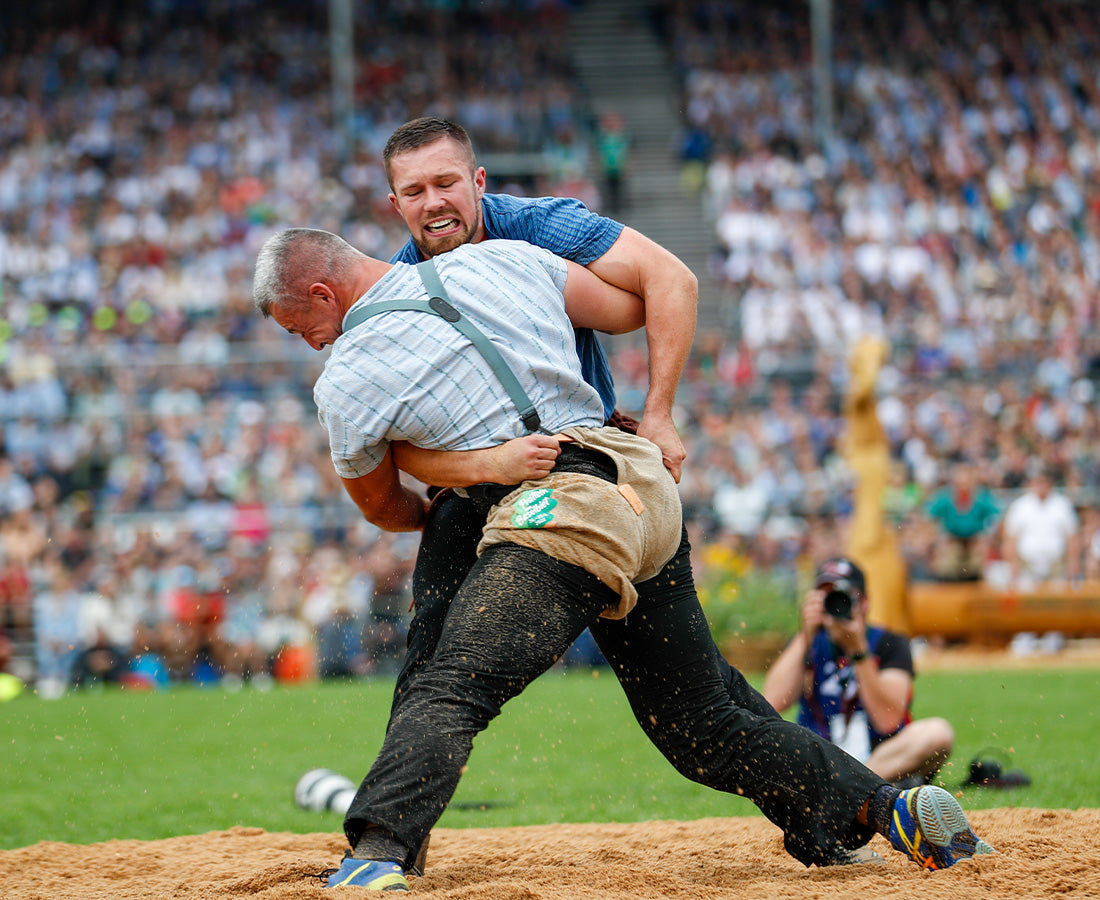
• Caffeine is also beneficial for highintensity exercise, including team and ball sports such as soccer and tennis, which are characterized by intermittent exercise over a long period of time.
• The scientific evidence shows no caffeinerelated fluid loss or other adverse changes in fluid balance that could affect performance.
• There is evidence that taking lowenergy caffeine drinks/shots during targeted training for endurance or weight loss also promotes a small additional fat reduction, compared to exercise alone. However, it is necessary to use only lowenergy products for this purpose.
Related articles
on
» caffeine
Literature
Goldstein ER et al. (2010): International society of sports nutrition position stand: caffeine and performance. J Int Soc Sports Nutr. 2010 Jan 27;7(1):5.
Author: Remo Jutzeler
Head R&D SPONSER SPORT FOOD
Ing. Applied Food Sciences UAS
MAS Nutrition & Health ETHZ